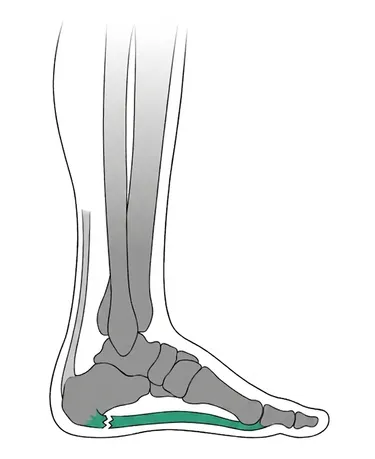
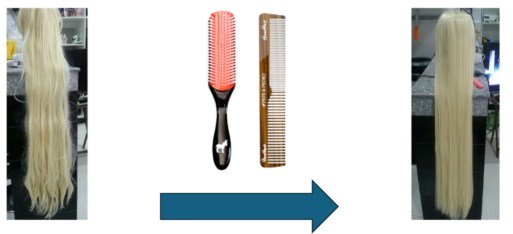
Stretching is the cornerstone of treatment. The goal is to 'comb the knots out' of the tangled fibres in the plantar fascia.
3) Stretching
You may have already tried stretches. Many people receive a complicated information sheet and then give up when improvement does not happen quickly.
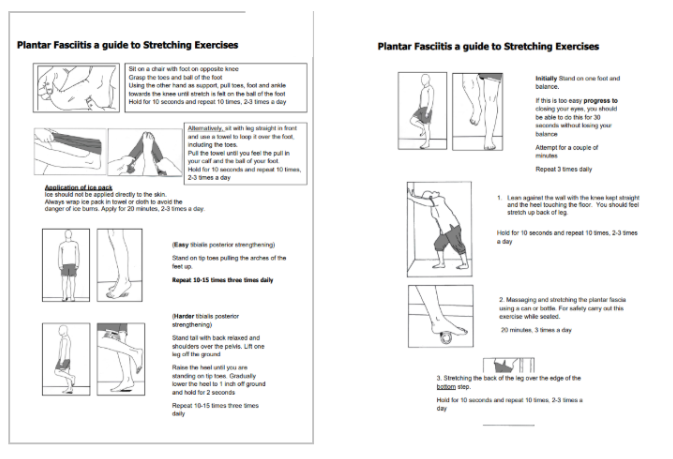
Remember
Using a slant board, as detailed below, is extremely effective and will nearly always bring improvement in a few weeks when used methodically every day.
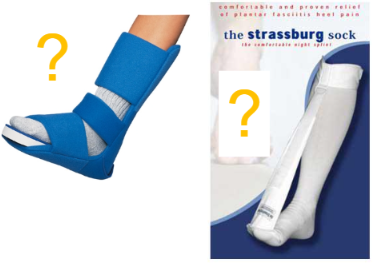
- Night splints are controversial, but may be worth trying.
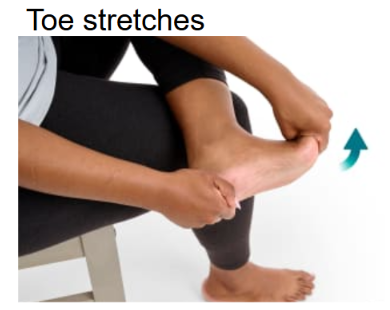
- Toe stretches are an additional useful measure for plantar fasciitis.
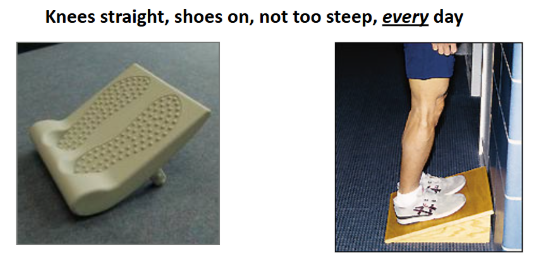
Using a Slant Board
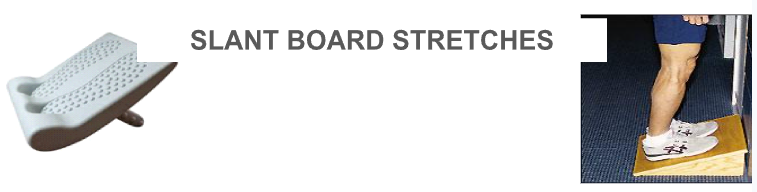
A slant board is highly effective for calf stretching, but only if used methodically every day. Start with a low gradient and keep your knees straight to target the calf properly.
- Start at 3 minutes, 3 times daily.
- Build toward 5+ minutes, 3-4 times daily.
- Only then make the board slightly steeper and reset the duration.
- Use only the first two levels unless your specialist advises otherwise.
Safety
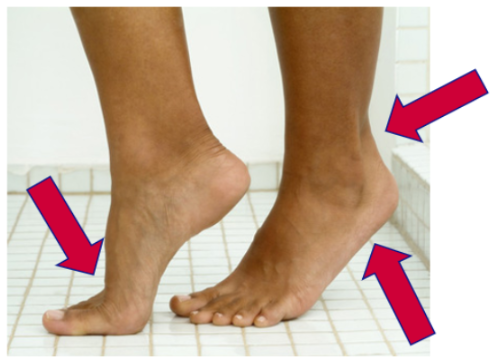
Tight calves can leave you effectively on slight tiptoes all day, increasing pressure under the forefoot and strain through the arch and ankle tendons.
Top tip
Raise your laptop or keyboard and stretch while working at a standing setup. This makes daily compliance much easier.
Other ways to stretch
Night splints do not have strong evidence, but some people still find them useful as part of a practical routine.
Specific Level 1 advice for pain under the heel
- Do slant board stretches with knees locked perfectly straight.
- Build stretch duration gradually over several weeks.
- Before getting out of bed, do a long, slow upward toe stretch.
Footwear and insoles
Wear supportive shoes and consider insoles. Avoid being barefoot and avoid very flat shoes while symptoms are active.
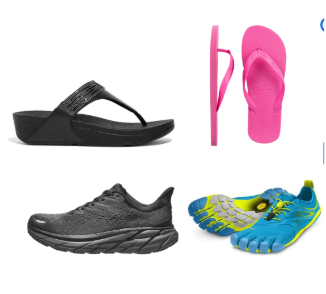
- Start with simple off-the-shelf arch-support insoles.
- Build wear time gradually over 1-2 weeks.
- Custom insoles are not usually needed first-line.
Patience
Improvement takes time. It is rare not to see early signs of recovery within a few weeks, and once it starts, progress usually gathers momentum.